
Understanding the psychological triggers that influence casino behavior
Uncertainty plays a pivotal role in gambling behavior. The unpredictable nature of games creates an environment where players experience both excitement and anxiety. This tension often leads individuals to engage more, seeking not just the thrill of potential wins, but also the satisfaction that comes from navigating uncertain outcomes. For example, many players enjoy the captivating experience of pilot chicken, which highlights how uncertainty adds to the gaming experience. Research indicates that the anticipation of a big win can trigger the release of dopamine, a neurotransmitter that reinforces pleasurable behaviors, thus heightening the desire to play.
Moreover, the element of uncertainty is intricately linked to the concept of risk-taking. Many gamblers are drawn to the idea of overcoming challenges and achieving rewards against all odds. This psychological aspect can sometimes lead to a phenomenon known as the “gambler’s fallacy,” where individuals believe that past events influence future outcomes, encouraging them to bet more in hopes of a favorable turn of fortune.
The principles of reinforcement play a critical role in shaping gambling habits. Variable reinforcement schedules, where rewards are given unpredictably, often result in more persistent behavior than fixed schedules. This unpredictability keeps players engaged, as they never know when the next win might occur. The thrill of the unknown can be more enticing than the reward itself, causing players to return frequently in hopes of hitting that jackpot.
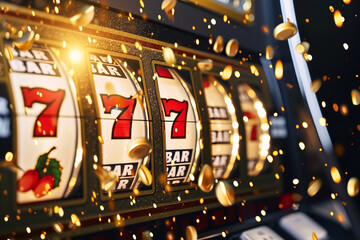
This psychological mechanism is also evident in slot machines and other casino games that offer sporadic payouts. Such designs capitalize on the excitement of potential rewards, making it difficult for players to resist the urge to play. This cycle of continuous engagement can sometimes lead to problematic gambling behaviors, as individuals may chase losses or continue playing despite negative consequences.
Social interaction is a significant psychological trigger in casino environments. Many players are drawn to the communal aspects of gambling, where camaraderie and shared experiences enhance the enjoyment of the games. The presence of others can create a sense of belonging and validation, making the experience more appealing. This social aspect can lead to increased time spent in casinos, as players engage not only with the games but also with each other.
Furthermore, social proof—observing others win—can amplify the desire to participate. When individuals witness fellow players achieving success, they may feel compelled to join in, believing that the same luck could befall them. This dynamic highlights the influence of social cues on gambling behavior, making it a key component of the overall casino experience.
Casino marketing strategies are designed to tap into various psychological triggers to attract and retain players. These tactics often include promotional offers, free bonuses, and exclusive rewards, which are strategically designed to make players feel valued and motivated to return. By creating an appealing environment with vibrant lights and sounds, casinos enhance the sensory experience, enticing individuals to partake in the games.
Additionally, the use of loyalty programs plays a crucial role in influencing behavior. By rewarding consistent play, casinos foster a sense of commitment among players, encouraging them to spend more time and money. This strategy capitalizes on the psychology of loss aversion, where players are more inclined to return to recover their perceived losses, reinforcing the cycle of gambling behavior.
Research into casino behavior reveals valuable insights into the psychological triggers that influence decision-making. Studies often focus on how environmental factors, such as noise and lighting, impact player engagement and spending habits. By understanding these psychological nuances, casinos can create environments that enhance the gaming experience while ensuring responsible gambling practices are in place.
Ultimately, recognizing these psychological triggers empowers both players and operators to navigate the complex world of gambling more effectively. Awareness of how emotions, social dynamics, and marketing influence behavior can lead to healthier gaming habits and a more enjoyable experience in the casino environment.